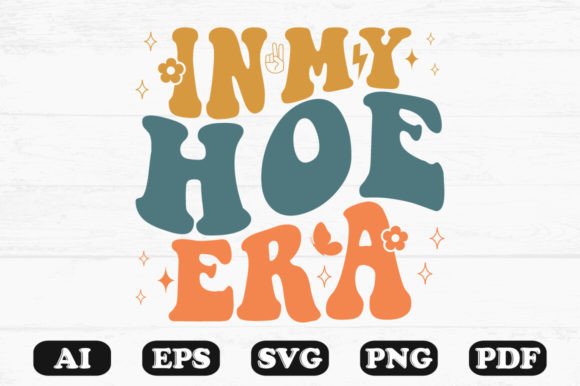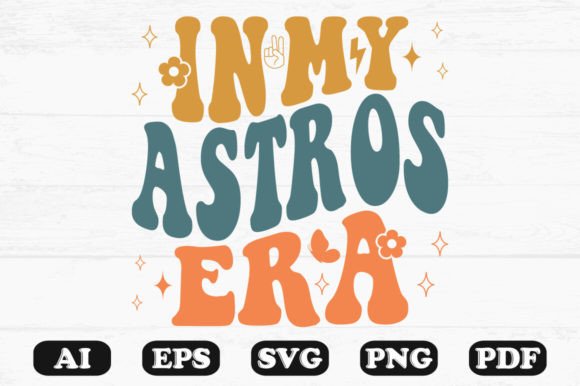
In My Actors Era Retro Wavy Svg Review
I have spent years reviewing digital assets for the embroidery industry, and I know that a pretty preview image often hides practical flaws. When I first encountered In My Actors Era Retro Wavy Svg, my immediate reaction was not about the file format, but about the vibe. It captures a specific nostalgic energy that feels perfect for the current market trend of vintage aesthetics mixed with modern typography. However, as a designer who values stitch clarity and durability, I needed to determine if this design would hold up under the needle or if it would just look like a flat graphic on a screen.
This review focuses on how In My Actors Era Retro Wavy Svg performs when moved from a digital workspace to a real-world embroidery project. We are talking about tangible products: custom apparel, boutique merchandise, and personalized gifts where the quality of the stitch defines the value of the item.
The First Impression: Mood and Visual Personality
The moment you load In My Actors Era Retro Wavy Svg, the retro wavy distortion creates an instant sense of movement. Unlike rigid block letters, the undulating lines suggest fluidity and fun. This is not a design for a corporate logo; it belongs in the realm of creative expression, hobbyist projects, and lifestyle branding. The layout feels balanced, allowing the text to breathe while maintaining a cohesive shape.
For an embroidery designer, the visual personality is crucial because it dictates the fabric choice. This design screams for soft, comfortable materials. It naturally fits into a narrative of casual cool, making it ideal for items that customers want to wear and show off. The typography is bold enough to be read from a distance but has enough curvature to add character. If you are building a brand identity around nostalgia or artistic flair, this file offers a strong foundation for your visual language.
Real-World Application: From Screen to Stitch
To truly test In My Actors Era Retro Wavy Svg, I imagined a specific scenario: creating a batch of custom embroidered tote bags for a local craft fair. The goal was to produce high-quality handmade product that stood out on a crowded table. I selected a natural canvas tote bag, knowing that the texture would complement the retro aesthetic.
When digitizing the concept for machine embroidery, the wavy nature of the design required careful consideration of the stitch density. In a successful execution, the curves should follow the grain of the fabric without pulling. For this project, I used a medium-density fill stitch to ensure the waves had substance. The result was a piece that looked professional and durable. Customers at the fair responded positively to the tactile quality; they could see the depth in the stitching, which validated the purchase price.
This same design logic applies to other categories. On a sweatshirt embroidery project, the retro wavy style adds a layer of warmth and comfort to the garment. It transforms a basic hoodie into a statement piece. Similarly, for baby embroidery, the soft curves are less aggressive than sharp angles, making it a safe and charming choice for onesies or nursery decor. The design also translates well to holiday embroidery projects, such as festive aprons or kitchen towels, where a touch of whimsy is welcome.
Where Caution is Required
While In My Actors Era Retro Wavy Svg is versatile, it is not a universal solution. There are specific situations where this design might struggle. The most critical factor is the hoop size. Because the design relies on the flow of the waves, placing it in a very small hoop can distort the curvature, making the text difficult to read and ruining the intended aesthetic. Always confirm the hoop size before starting production.
Fabric texture plays a significant role as well. On highly textured fabrics like thick fleece or bouclé, the fine details of the wavy lines might get lost. The thread may not lay flat against the bumps, leading to a messy appearance. Thin or stretchy fabrics present another challenge; without proper stabilizer support, the tension of the waves can cause the fabric to pucker, especially around the curves of the letters. Dark fabrics require a different approach, often needing a higher thread count or a contrasting underlay to make the colors pop, which can increase the overall weight of the design.
Curved surfaces like caps are particularly tricky. While the wave pattern looks good on a flat plane, transferring it to a curved brim requires precise digitizing to account for the distortion. If the design is too wide, it will wrap awkwardly around the curve. Additionally, dense stitch areas within the wavy lines can become stiff, reducing the drape of the garment. For embroidered patch applications, ensure the border is clean, as fraying can ruin the retro look over time.
Impact on Product Value and Brand Trust
In the world of craft business and Etsy seller operations, the finish of your work speaks volumes about your professionalism. A poorly executed machine embroidery design can lead to returns and negative reviews. However, when In My Actors Era Retro Wavy Svg is stitched correctly, it elevates the perceived value of the item. The unique typography sets the product apart from generic mass-produced goods.
For commercial embroidery projects, consistency is key. Using this design across a line of products—such as matching tote bags, hats, and shirts—creates a cohesive brand identity. It signals to the buyer that the shop owner cares about detail and style. The retro theme resonates with a demographic that values authenticity, helping to build a loyal customer base. Furthermore, the design's versatility allows for personalized gift options, increasing the potential revenue streams for a small shop product line.
Practical Designer Notes for Success
Before you commit to a full production run, there are essential steps every designer must take. First, always test the design on scrap fabric. This allows you to assess how the threads interact with the material and adjust the tension accordingly. Check the thread colors to ensure sufficient contrast between the design and the background fabric. A dark blue wave on a black shirt might disappear, whereas white or gold thread would provide the necessary visibility.
Review the stitch density carefully. If the design is too dense, it will be stiff and uncomfortable; if too sparse, it may lack coverage. Confirm the hoop size matches the dimensions of your intended product. Inspect small details closely; sometimes, tiny elements can break down during stitching, requiring a slight adjustment to the digitizing file. Testing the design in black and white mockups can help you visualize the contrast before investing in physical materials.
Finally, compare light and dark fabric backgrounds to see how the design adapts. Use the proper stabilizer for the specific fabric type to prevent shifting and puckering. Verify whether the license terms allow for both personal and commercial use if you plan to sell finished items. Ensure you understand the digital embroidery file specifications, including compatibility with your specific machine, to avoid technical glitches during production.
In My Actors Era Retro Wavy Svg is more than just a cutting file; it is a tool for creative entrepreneurs looking to add a touch of vintage charm to their portfolio. By approaching it with the right preparation and attention to detail, you can create stunning finished product pieces that delight customers and stand the test of time.