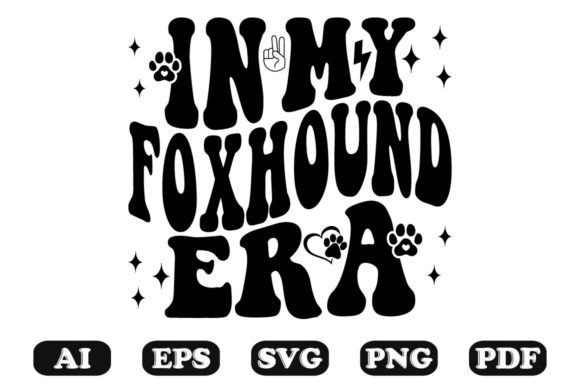
In My Foxhound Era Wavy Svg T-shirt Review
As a designer who has spent years refining embroidery files for both personal passion projects and commercial client work, I approach every new design asset with a mix of excitement and skepticism. When I first encountered the In My Foxhound Era Wavy Svg T-shirt design, I wasn't just looking at a cute graphic; I was evaluating its potential as a functional machine embroidery design. The "wavy" trend is ubiquitous in digital graphics, but translating that fluid, retro aesthetic into thread requires careful consideration of stitch density, lettering clarity, and overall visual balance.
The immediate impression this design gives is one of nostalgic comfort. It feels like something you would find on a vintage band tee or a well-loved piece of 70s merchandise. For the modern crafter, Etsy seller, or boutique owner, this mood is gold. It taps into a specific emotional connection—the idea of living in your own unique era—that resonates deeply with buyers looking for personalized gifts. However, the real test isn't how it looks on a screen; it is how it holds up when stitched onto fabric.
From Screen to Stitch: A Real-World Scenario
Let's imagine a practical scenario where this design comes to life. You are preparing a custom order for a local craft fair or fulfilling an Etsy listing for a small business brand focused on dog lovers. You decide to use the In My Foxhound Era Wavy Svg T-shirt layout for a collection of embroidered tote bags and sweatshirts. The wavy typography suggests movement, which can be tricky in embroidery because the thread adds bulk and stiffness that flat vector lines do not possess.
In my experience, the success of this project hinges on the execution. If you are stitching this onto a heavy cotton canvas tote bag, the stability of the fabric will support the wavy lines beautifully. The design naturally lends itself to a satin stitch outline for the text, giving it that raised, tactile feel that customers love. However, if you attempt this on a thin, stretchy jersey knit without proper stabilizer, the wavy curves might pucker, distorting the "vintage" look you are trying to achieve. The key here is understanding that while the SVG file provides the cutting path or the visual guide, the actual embroidery file must account for the physics of thread.
Where This Design Shines
This embroidery design finds its sweet spot in medium-to-large scale applications. It is perfect for:
- Sweatshirt Embroidery: The chest pocket area or the center back of a crewneck sweatshirt offers enough surface area for the wavy text to breathe. The texture of fleece complements the retro vibe perfectly.
- Tote Bag Designs: Canvas totes are durable and provide a stable base. Using high-contrast thread colors against natural canvas makes the wavy typography pop, creating a professional handmade product that stands out in a crowded market.
- Baby Embroidery: For onesies or baby blankets, the soft curves of the wavy font are less intimidating than sharp block letters. It creates a gentle, affectionate tone suitable for nursery decor or baby shower gifts.
- Embroidered Patches: If you are creating iron-on patches for jackets or hats, the bold, wavy shape translates well, provided the border is clean and the fill stitches are dense enough to prevent fraying.
The design also works exceptionally well as a centerpiece for holiday embroidery projects. Imagine a Christmas sweater featuring this phrase alongside holly berries, or a fall-themed apron for a kitchen towel gift. The versatility allows it to fit into various seasons, making it a valuable asset for craft business owners planning their seasonal collections.
Navigating Potential Pitfalls
However, no design is without its challenges. There are specific scenarios where using the In My Foxhound Era Wavy Svg T-shirt requires caution. One major concern is the application on curved surfaces, such as baseball caps or beanies. While the wavy line is dynamic, the curvature of a cap can stretch the design unevenly during the hooping process. If the hoop size is too small relative to the design dimensions, the machine may struggle to maintain consistent tension, leading to skipped stitches or distorted lettering.
Another critical factor is fabric texture. On heavily textured fabrics like bouclé or thick chenille, the fine details of the wavy typography might get lost. The thread needs a smooth surface to lay flat and define the curve. Similarly, on dark fabrics, achieving good coverage with light-colored threads can be difficult without increasing the stitch density significantly, which risks puckering the garment. Always check your stitch density settings before committing to a full production run.
Small hoop sizes present another hurdle. If you try to compress this design into a 4x4 inch hoop, the individual letters may become too narrow to read clearly. The "wavy" effect relies on negative space and flow; squeezing that flow into a tiny area kills the visual impact. For commercial embroidery projects, readability is paramount. If a customer cannot read the message from three feet away, the design fails its primary purpose.
Practical Designer Notes for Success
Before you start stitching, there are several technical steps every experienced designer takes to ensure quality. First, always test the design on scrap fabric that matches the weight and stretch of your final project. This simple step reveals issues with thread colors, tension, and stabilizer requirements that you might miss otherwise.
When selecting your stabilizer, err on the side of more support rather than less. For the wavy lines, a cut-away stabilizer is often superior to tear-away because it prevents the fabric from stretching over time, especially on garments that will be washed frequently. If you are working with stretchy fabrics, a water-soluble topping can help keep the top stitches flat and crisp.
Color contrast is another vital element. The retro wavy style often relies on specific color palettes to convey its mood. In a mockup, the design might look great in vibrant neon, but in thread, those colors can appear muddy if the undertones clash. Test your thread choices in black and white mode to ensure the value contrast remains strong regardless of the color selected.
For those selling finished products or digital assets, licensing is non-negotiable. Ensure you understand the terms regarding commercial embroidery rights. Does the purchase allow you to sell unlimited items? Are there restrictions on the types of products you can create? Clarifying these details upfront protects your Etsy seller shop and ensures you are building a sustainable small shop product line.
Final Thoughts on Visual Appeal and Value
The In My Foxhound Era Wavy Svg T-shirt design brings a distinct personality to any embroidery project. It bridges the gap between digital trends and traditional craftsmanship. When executed correctly, it elevates a simple t-shirt or tote bag into a statement piece that reflects the wearer's personality. It builds trust with buyers who appreciate the nuance of handmade goods and the effort put into the presentation.
Ultimately, the value of this design lies in its adaptability. Whether you are creating a single personalized gift for a friend or a batch of boutique branding items, the wavy typography offers a timeless yet trendy appeal. By paying attention to hoop size, fabric choice, and stitch quality, you can transform this digital file into a tangible masterpiece. Remember, the best designs are not just about the image; they are about how that image interacts with the materials around it. With the right preparation, this design is ready to become a staple in your creative toolkit.